
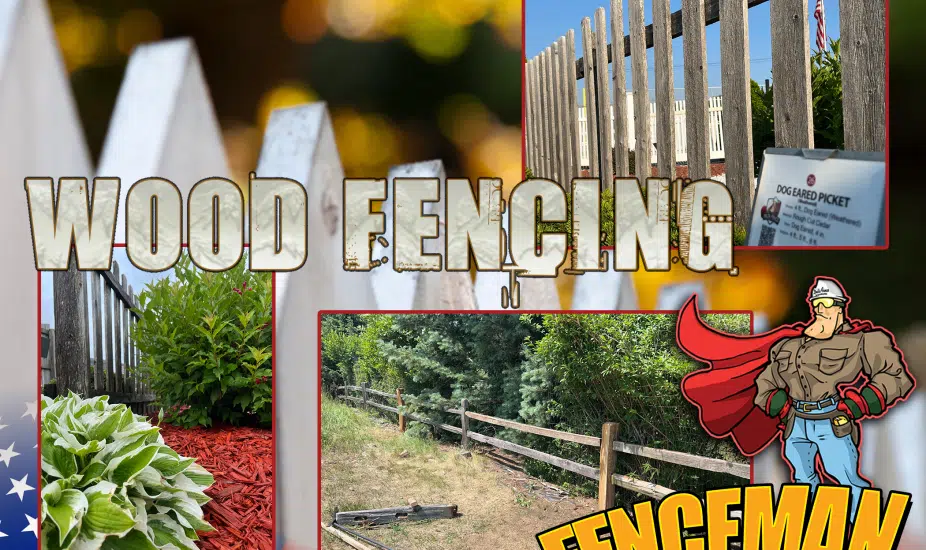
When it comes to fencing, few materials have stood the test of time quite like wood. In the Upper Peninsula, where towering forests define the landscape and the seasons shape daily life, wood fences aren’t just practical—they feel right at home. Whether you’re enclosing a backyard, framing a garden, or adding curb appeal to your property, a wood fence brings something to the table that no other material quite matches.
Let’s dig into what makes wood fences such a popular and enduring choice across the UP.
Wood Fences Are Built for This Region
The Upper Peninsula has always had a deep relationship with wood. The logging and paper industries shaped the history and economy of Yooper communities for generations, and that heritage is still visible in the homes, structures, and yes—the fences—that define neighborhoods from Escanaba to Sault Ste. Marie. Northern Michigan timber is a sought-after resource across North America, and using it for fencing is about as natural a fit as you’ll find.
That regional connection matters more than it might seem. Wood fences are abundantly available, locally sourced, and well-suited to the climate and aesthetic of the UP. They blend into the surroundings rather than clashing with them—a quality you notice most during the transition seasons, when the warm tones of cedar or pine stand out beautifully against the first dusting of snow or the deep greens of a summer yard.
The Many Faces of a Wood Fence
One of the biggest advantages of wood as a fencing material is how much range it offers. From a simple, functional animal pen to a beautifully crafted six-foot privacy fence, wood can be shaped and styled to fit almost any purpose or aesthetic. Some of the most popular wood fence styles include:
- Shadow Box: Alternating pickets on both sides of the rail create a partially open fence with good airflow and a clean, finished look from both directions—ideal for shared property lines.
- Picket Fences: The classic choice for front yards and gardens. Charming, open, and easy to customize with different picket shapes and spacing.
- Board on Board: Overlapping vertical boards for maximum privacy and a solid, substantial look. A favorite for backyard enclosures.
- Custom Woodwork: For homeowners who want something truly unique, wood can be crafted and finished to complement the architecture and character of the home it surrounds.
No two wood fences are quite alike, either. The natural grain, texture, and variation in each board means your fence has a character that vinyl or metal simply can’t replicate. It’s a living material—or rather, it was—and that quality comes through in how it looks and feels.
Durability You Can Count On
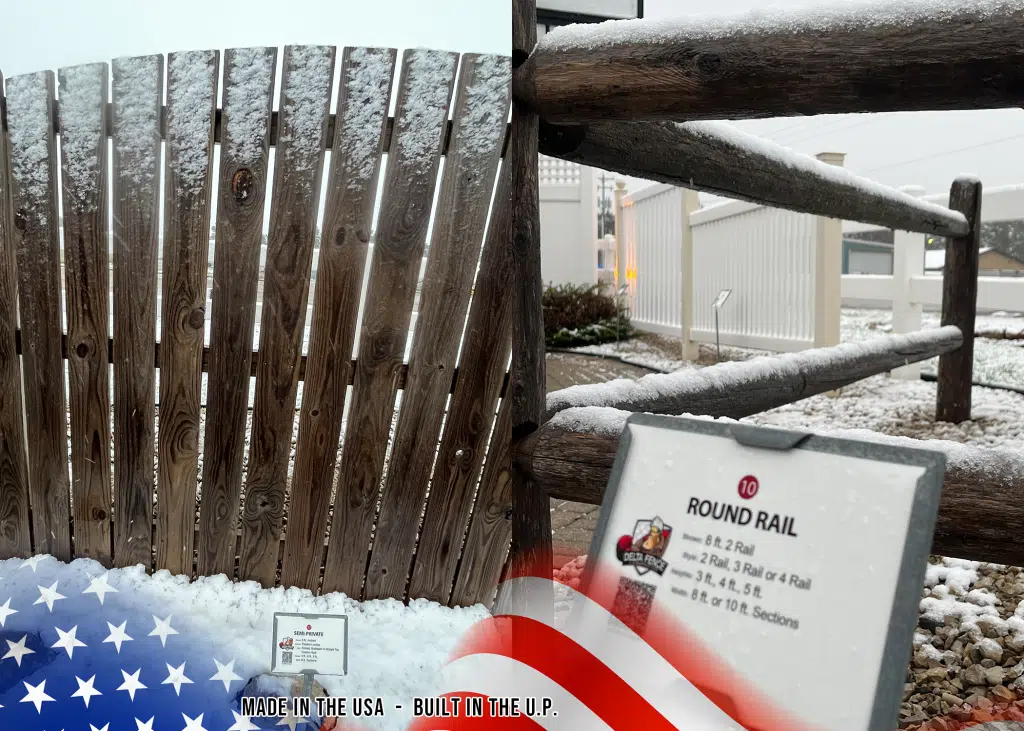
A well-built and properly maintained wood fence can last 20 years or more—and in many cases, significantly longer with the right care. The key is starting with quality materials and treating the wood appropriately for the UP’s climate, which throws everything from freeze-thaw cycles to heavy snowfall at your fence over the course of a year.
Species selection matters here. Cedar is one of the most popular choices for outdoor fencing because its natural oils resist moisture, insects, and rot better than untreated softwoods. Pressure-treated pine is another strong option, offering enhanced rot resistance at a more accessible price point. For maximum longevity, combining quality lumber with a water-repellent sealant or stain and keeping the base of the fence boards above grade (so they aren’t sitting in standing water or snow) goes a long way.
Easy to Repair, Easy to Update
Here’s something that doesn’t get talked about enough: wood fences are remarkably easy to fix. A damaged picket or board can be replaced individually without touching the rest of the fence. That’s a meaningful advantage over vinyl or metal fencing, where matching discontinued panels or colors can turn a minor repair into a frustrating and expensive project.
We’ve had plenty of those conversations with customers over the years—”the manufacturer discontinued that product.” With wood, that’s essentially never a concern. As long as trees grow in the UP (and that’s not changing anytime soon), replacement material will be available.
Beyond repairs, wood fences are easy to update as your tastes or needs change. Want a different look? Restain it. Want a brighter yard? Repaint it. Want to add height or change the style? Modify individual sections. Wood fence panels are genuinely flexible in a way that other materials aren’t—a jack-of-all-trades that can grow and change with your property over time.
The Quality That’s Hardest to Quantify: Warmth
There’s something about a wood fence that metal and vinyl just don’t offer. It’s warmth—not the kind that keeps you warm in a UP winter, but the kind that makes a yard feel like a place rather than just an enclosure.
Chain-link fences are utilitarian and practical, but they carry a certain “stay out” energy. Ornamental metal fences can be beautiful, but they’re formal and a little cold. Wood has a different feeling entirely. It’s the fence from the old camp up north. It’s grandpa’s farm. It’s a backyard that feels lived-in and welcoming rather than fenced-off and guarded.
A well-designed wood fence can become part of the mise-en-scène of your outdoor space—the backdrop that ties the garden, the yard, and the home together into something worth spending time in during all four UP seasons. And honestly, it’s during winter when you appreciate it most. When everything else is white and grey, the warm tones of a cedar or pine fence remind you that spring is coming.
How Wood Compares to Other Fence Types
Every fencing material has its strengths, and the right choice depends on your priorities. Here’s a quick, honest comparison:
- Wood vs. Vinyl: Vinyl fences are lower maintenance—no staining or painting required, and they won’t rot or splinter. But they lack the customizability and natural character of wood, and damaged sections can be difficult to match if the product line changes. Wood requires more upkeep but offers more flexibility and a warmer aesthetic.
- Wood vs. Chain Link: Chain link wins on cost and low maintenance, but it offers no privacy and little visual appeal. Wood gives you privacy, looks great, and can be customized to fit the style of your home.
- Wood vs. Ornamental Metal: Metal fences are extremely durable and low maintenance, but they’re typically more expensive and harder to modify. Wood is easier to work with, repair, and adjust over time.
For homeowners who want a fence that balances character, customizability, and long-term value—wood remains one of the best all-around choices available.
See Wood Fences in Person
Reading about wood fences is one thing. Seeing and touching the real thing is another. Stop into our showroom to explore the fence styles and types we offer, or follow us on our social media pages for project photos and updates from the field.
Delta Fence & Construction installs fences across the Upper Peninsula with the goal of making every yard safer, more functional, and a little more beautiful.
If you live, work, or play in Upper Michigan and are ready to explore your fencing options, we’re here to help. Call us at (906) 786-1076 or visit www.deltafenceman.com to schedule an appointment today.

Delta Fence & Construction is a licensed, bonded and insured fencing contractor in the State of Michigan.